
Communities Richmond, VA
Filter & Sort
1


 Share
ShareFilter & Sort
- Market
- All Markets
- Beaufort, SC / Savannah
- Charleston
- Columbia
- Greenville / Spartanburg
- Myrtle Beach
- Raleigh / Durham
- Richmond
- The Triad
- Wilmington
- Area
- All Areas
- Ashland
- Aylett
- Chesterfield
- Glen Allen
- Mechanicsvile
- Midlothian
- Moseley
- New Kent
- Tuckahoe
- Price Range
- All
- $300,000 - $350,000
- $350,000 - $400,000
- $400,000 - $450,000
- $450,000 - $500,000
- $550,000 - $600,000
- $600,000 - $650,000
- $650,000 - $700,000
16 Richmond Communities

CraftMaster Homes
In July of 2021, CraftMaster Homes of Central Virginia joined Mungo Homes, a part of the Clayton Properties Group®. Like Mungo, CraftMaster Homes began as a family-owned and operated business and has more than 20 years’ experience in award-winning new home construction.
- 2 New Homes For Sale
- 7Floor Plans
Central Crossing
View Google MapAylett, VALow $300s
Payments from Less than $2100! *Principal and Interest Only
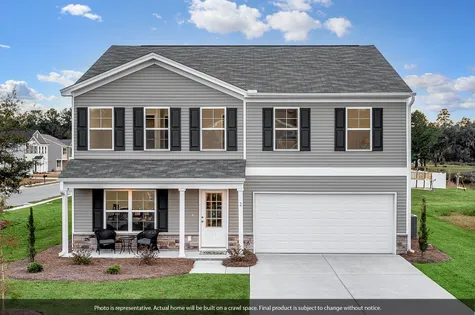
Now Selling! Public Water & Sewer! High Speed Internet! 2-Car Garages! Welcome to King William's Central Crossing! New homes have crawl space foundations and range from 1,264 to over 2,700 square feet with two-car garages and county water and sewer. Central Crossing is conveniently located .2 miles from King William County Recreational Park, 15 minutes to Mechanicsville and 35 minutes from Richmond. Residents will enjoy the community fishing pond. Walking distance to shopping and dining!
- 2 New Homes
For Sale - 7Floor
Plans
- 1 New Home For Sale
Cobbs Creek-RM
View Google MapGlen Allen, VA
1 Opportunity Remaining!
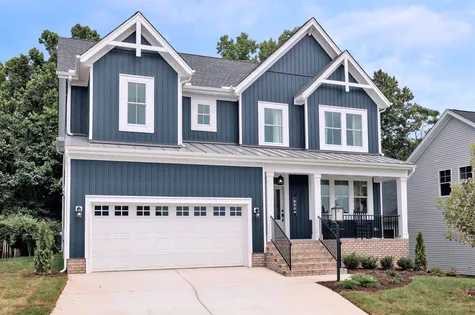
Welcome to Glen Allen's Cobbs Creek! New homes in Cobbs Creek range from 1,594 to 3,500+ square feet. This Hanover County community features plans starting in the low $400s. Enjoy the five minute commute to James River Cellars Winery and Capital City Speedway. Cobbs Creek is an eight minute commute to Ashland and a 20 minute commute to Downtown Richmond and Short Pump. You are not going to want to miss an opportunity to reside at Cobbs Creek!
- 1 New Home
For Sale
Lower your monthly payment! As low as 5.25% interest rate available on select homes!
Special rate available when you finance with a Silverton Mortgage 30-year FHA 5.25%/6.129% APR*
View eligible homes in this area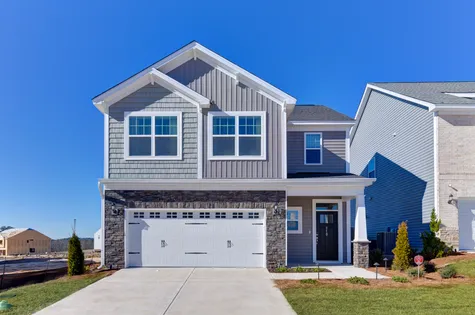
Cottages at Millwood
View Google MapMidlothian, VAMid $400s
Coming Soon!
Coming Soon! Join our VIP list today!
Welcome to Midlothian's Cottages at Millwood. New homes will range from 1,600-2,700+ square feet. Residents will enjoy living less than one mile from Cosby High School and three miles from Cosby Village Shopping Center. Additionally, Cottages at Millwood is less than 30 minutes from Richmond and VCU. Future amenities include a communal covered area with firepit.
- 2 New Homes For Sale
- 2Floor Plans
Discovery Ridge
View Google MapHenrico, VAMid $400s
Five Minutes to Short Pump! Henrico County Public Schools!
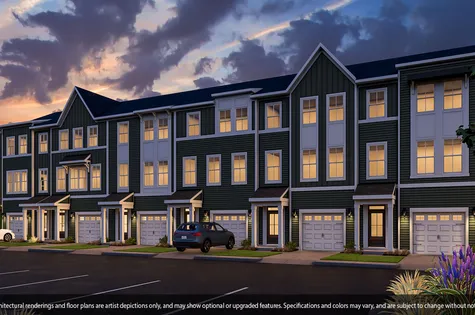
New townhomes in an unbeatable location only five minutes from Short Pump. Discovery Ridge is zoned for the desirable Godwin High School district. These three-story townhomes offer three bedrooms and just under 2,000 square feet.
- 2 New Homes
For Sale - 2Floor
Plans
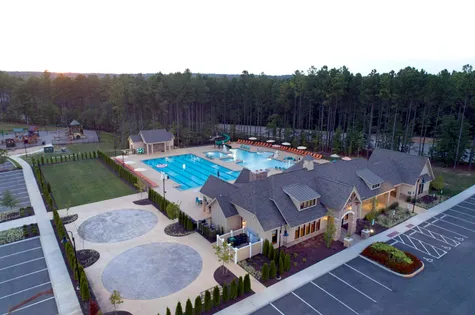
- 8Floor Plans
Fawnwood at Harpers Mill
View Google MapHarpers Mill, VALow $500s
Top-tier Schools! Resort-style Amenities!
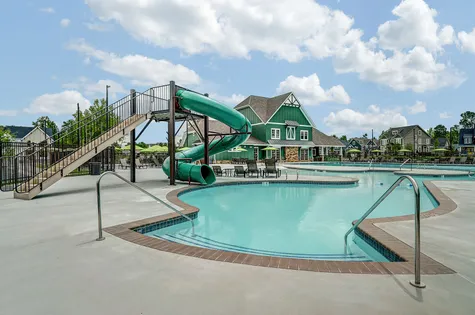
Now Selling! Welcome to Fawnwood at Harpers Mill in Chesterfield! New homes are designed to fit any lifestyle with floorplans ranging from 2,112 to 3,900 + square feet. Fawnwood at Harpers Mill is situated less than ten minutes from Hampton Park, Birkdale Golf Club, the Children's Museum of Chesterfield and Retro Richmond Zoo. Residents of Fawnwood will enjoy top-tier schools and resort-style amenities including a clubhouse, pool complex with zero-entry pool and slide, a playground, bike trails and a dog park. Come visit us at Fawnwood today!
- 8Floor
Plans
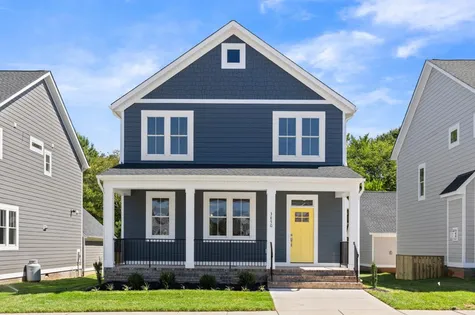
- 5 New Homes For Sale
- 5 Homes Under
Construction - 4Floor Plans
Hampton Park Cottages
View Google MapChesterfield, VAMid $400s
Low Maintenance! Walk to Shopping, Dining & Cosby Village!
Walk to shopping, dining, and Cosby Village at Hampton Park Cottages. New cottage-style homes are 1,900 to 2,600+ square feet. Hampton Park Cottages is less than ten minutes from the Metro Richmond Zoo, the Children's Museum of Chesterfield and Swift Creek Reservoir.
- 5 New Homes
For Sale - 5 Homes Under
Construction - 4Floor
Plans
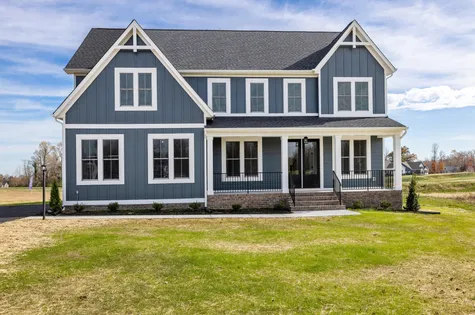
- 1 New Home For Sale
Hickory Hill
View Google MapAshland, VAHigh $600s
1 Opportunity Remaining!
Welcome to The Oaks at Hickory Hill in Ashland! New homes in The Oaks range from 2,756 to 4,100+ square feet with up to six bedrooms and large acre-plus lots. The Oaks at Hickory Hill features a 700-acre private preservation lot, over ten miles of walking trails and sidewalks and tons of open greenspace! Conveniently located between Ashland and Mechanicsville, the entrance to Hickory Hill sits where Patrick Henry Road and Wickham Manor Way meet. The Oaks at Hickory Hill is a 15 commute to Downtown Richmond and a 35 minute commute to Fredericksburg. Residents will enjoy award-winning Hanover County schools!
- 1 New Home
For Sale
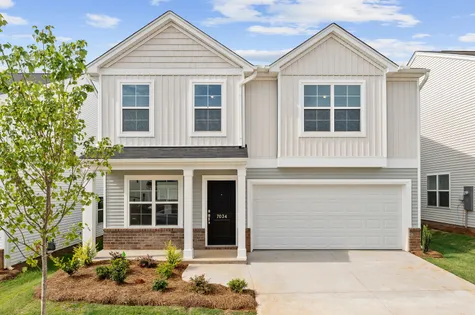
- 2 New Homes For Sale
- 1 Homes Under
Construction - 7Floor Plans
Kennington
View Google MapAylett, VAHigh $300s
Homesites at least 1/4-Acre in Established Community!
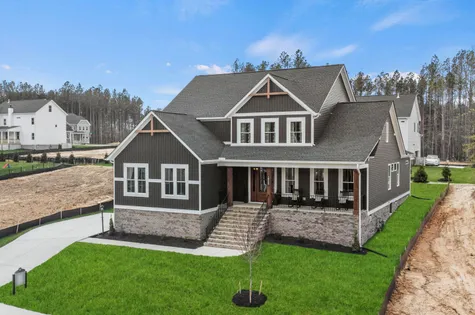
Welcome to Kennington, King William County's first planned community! New homes range from 1,700 to over 2,700 square feet. Kennington boasts open space in a beautiful setting perfect for strolls through the community. Existing amenities include a clubhouse, two pools, playground and fitness center. Enjoy residing within two miles of King William High School, King William Recreational Park, shopping, restaurants and the Upper King William Branch Library.
- 2 New Homes
For Sale - 1 Home Under
Construction - 7Floor
Plans
- 2 New Homes For Sale
- 9Floor Plans
Legacy Park
View Google MapMoseley, VAMid $600s
Resort Style Amenities! Olympic-sized Pool! Weekly Farmer's Market & More!
Legacy Park at Magnolia Green is the newest community in one of Chesterfield's most sought-after locations, and it is a dream! Legacy Park features large homesites with several lots facing the 190-acre championship golf course! New homes in Legacy Park at Magnolia Green range from 2,756 to 4,100+ square feet and up to six bedrooms. The diverse portfolio of new home opportunities include ranch homes, traditional two-story homes, and optional third floors - perfect for all phases of life. In addition to award-winning schools, the residents of Legacy Park will enjoy all the amenities Magnolia Green has to offer. In addition to the optional Nicklaus-designed golf course, the community features a resort-style aquatic center with an Olympic-sized swimming pool and kid's splash pool, lighted tennis courts, multi-functional sports fields, miles of walking trails, and a weekly farmer's market!
- 2 New Homes
For Sale - 9Floor
Plans
McCauley Park
View Google MapAylett, VA
Coming Soon!
Coming Soon! Join our VIP list today!
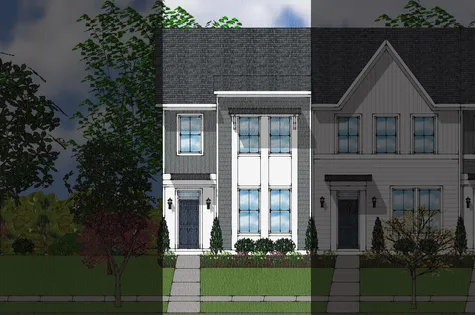
Welcome to McCauley Park in King William, VA. Our vibrant community offers two-story townhomes offering up to 1,472 square feet, providing ample space for comfortable living. Situated just off Route 360, McCauley Park boasts easy access to Mechanicsville's bustling downtown scene, offering an array of shops, restaurants, and entertainment options only 20 miles away. Whether you're looking to explore the local culture or simply enjoy a night out on the town, our convenient location ensures that you can access everything you need. In addition to its prime location, McCauley Park prioritizes connectivity with high-speed internet, ensuring that residents can stay connected to work, entertainment, and loved ones with ease.
- 1 New Home For Sale
Rock Creek
View Google MapMechanicsville, VALow $600s
Final Opportunities! Schedule an Appointment Today!
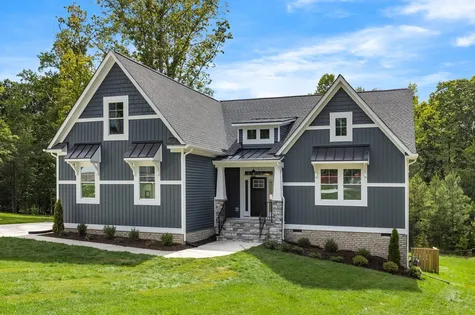
Welcome to Rock Creek, a sprawling new community with over ten acre, picturesque lots located off Westwood Road in Mechanicsville. New homes range from 2,345 to 4,100+ square feet and up to six bedrooms. Rock Creek is ten minutes from Crowder Farms, 13 minutes from Hanover RC Club, less than 20 minutes from The Brookwoods Golf Club and less than 30 minutes from Downtown Richmond.
- 1 New Home
For Sale
- 1 New Home For Sale
- 8Floor Plans
Rountrey
View Google MapMidlothian, VALow $600s
New Homesites Now Available, Call Today!
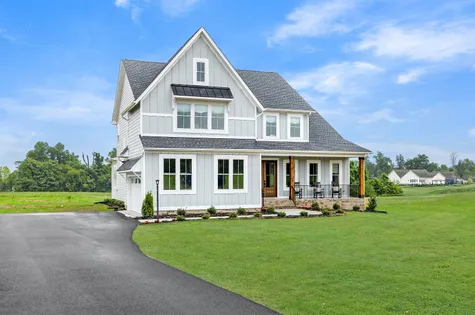
The luxury lifestyle you deserve is right around the corner - come explore RounTrey with CraftMaster Homes! Our newest opportunity to build your dream home has officially arrived, with homes ranging from 2,345 to 4,100+ square feet. An amenity-rich community, RounTrey provides access to Swift Creek Reservoir, two clubhouses, two pools, fitness center, multiple dog parks, tennis/pickleball courts, playgrounds, and miles of walking trails! Is access important to you? RounTrey is perfectly situated near HWY 288 and Powhite Parkway, leaving you minutes away from Chesterfield Towne Center, VCU, downtown Richmond, Short Pump, and more!
- 1 New Home
For Sale - 8Floor
Plans
- 9Floor Plans
Stags Leap
View Google MapMechanicsville, VAMid $600s
Low-Maintenance New Homes in the Heart of Hanover County!
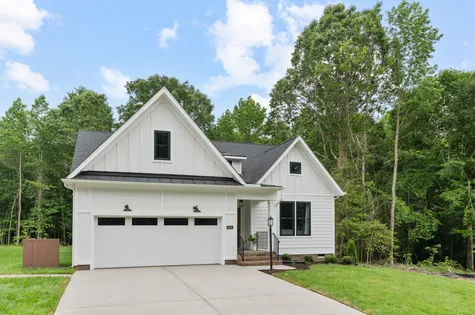
Now Selling New Phase! Located in the heart of Hanover County, the Stags Leap community offers maintenance-free living including lawn service, irrigation maintenance and trash removal. New homes in Stags Leap range from 2,484 to 4,100+ square feet and up to five bedrooms. Stags Leap residents will enjoy excellent Hanover County Schools, a private pool and clubhouse with a large covered pavilion, and sidewalks throughout the community. Stags Leap is conveniently located in close proximity to area activities - seven minutes to Burkewood Swim and Racquet Club, ten minutes to Pole Green Park, and less than 15 minutes to The Crossings Golf Club and The Strawberry Patch at Quail Hill Orchard.
- 9Floor
Plans
- 2 New Homes For Sale
- 7Floor Plans
Stags Trail
View Google MapMechanicsville, VAHigh $400s
55+ Community Offering Maintenance-free Living!
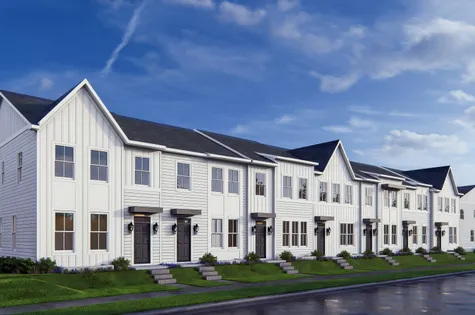
Now Selling! Welcome to Mechanicsville's Stags Trail, a 55+ community offering maintenance-free living including lawn service, irrigation maintenance and trash removal. New homes in Stags Trail range from 1,594 to 2,800+ square feet and up to four bedrooms. Open floorplans include first-floor primary suites, walk-in closets and more! Stags Trail is conveniently located in close proximity to area activities - seven minutes to Burkewood Swim and Racquet Club, ten minutes to Pole Green Park, and less than 15 minutes to The Crossings Golf Club and The Strawberry Patch at Quail Hill Orchard.
- 2 New Homes
For Sale - 7Floor
Plans
- 5 New Homes For Sale
Sycamore Place
View Google MapMidlothian, VALow $400s
2-car Garage Townhomes in the Heart of Midlothian!
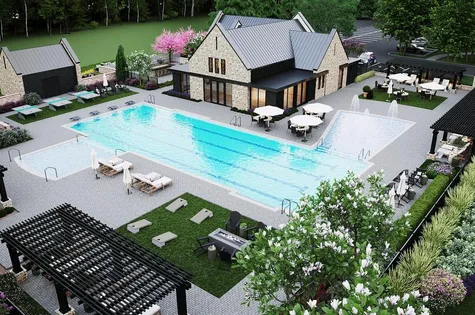
New townhomes in an unbeatable location - less than five miles from Westchester Commons and 288! Sycamore Place will feature pocket parks, beautifully landscaped common areas and picnic areas. These three-story townhomes offer two-car garages, three and four bedrooms and just under 2,000 square feet. Residents will enjoy the convenience of residing less than one mile from area schools!
- 5 New Homes
For Sale
- 2 New Homes For Sale
- 11Floor Plans
Viniterra
View Google MapNew Kent, VAMid $400s
55+ Golf Course Community Adjacent to New Kent Winery!
New Models Now Open! The Cottages at Viniterra is a 55+, maintenance-provided community located next to New Kent Winery in the established community of Viniterra. In addition to providing maintenance services, residents will enjoy resort-style amenities including an 18-hole championship golf course, sidewalks and a variety of community events. New homes in The Cottages at Viniterra range from 1,594 to 3,400+ square feet and up to five bedrooms. Floorplans feature first-floor primary suites, ranch plans and basement opportunities. The Cottages at Viniterra is located 25 minutes from Richmond, 35 minutes from Williamsburg, and ten minutes from Colonial Downs & Rosie's Gaming Emporium.
- 2 New Homes
For Sale - 11Floor
Plans
Our Favorites
Shopping, Dining & Entertainment
in Richmond
in Richmond
Kings Dominion
Entertainment
Short Pump Town Center
Shopping
Restaurants at Rocketts Landing
Dining
Scott's Addition
Recreation